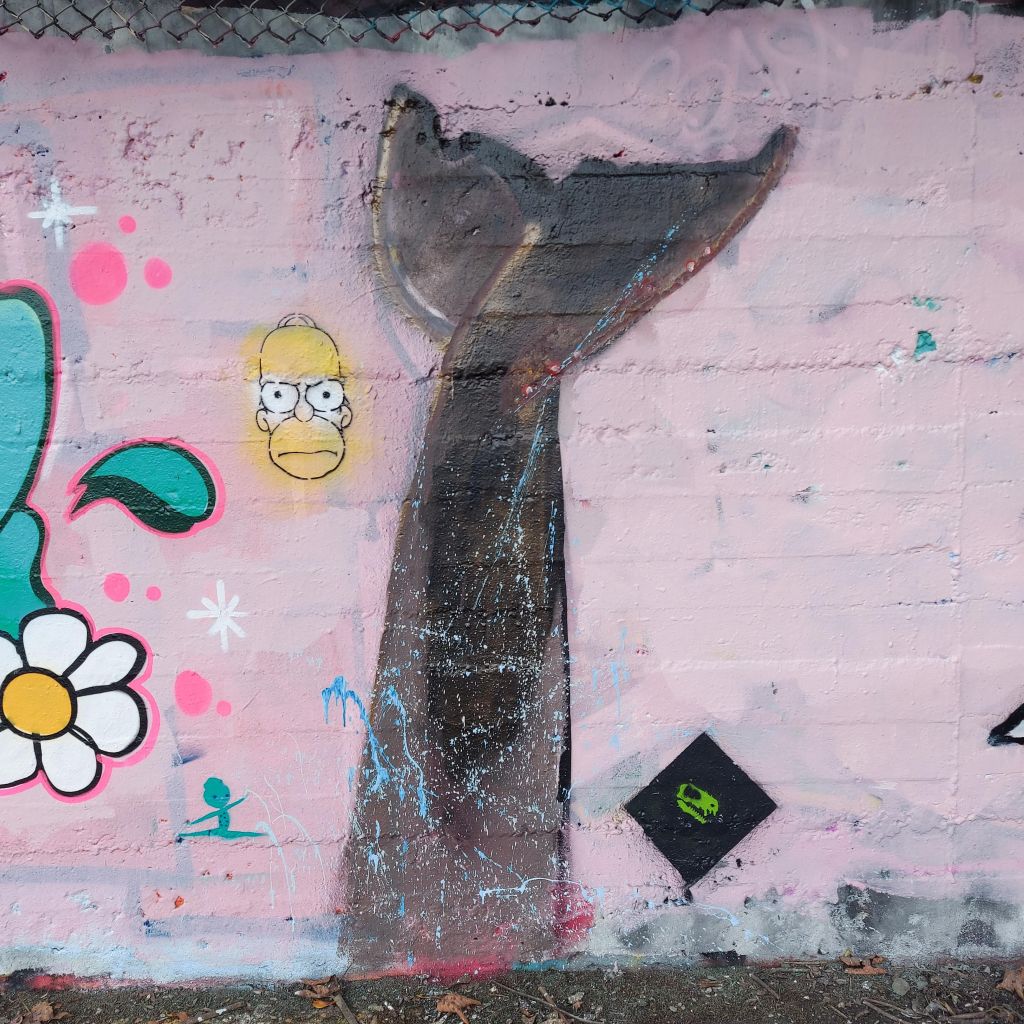
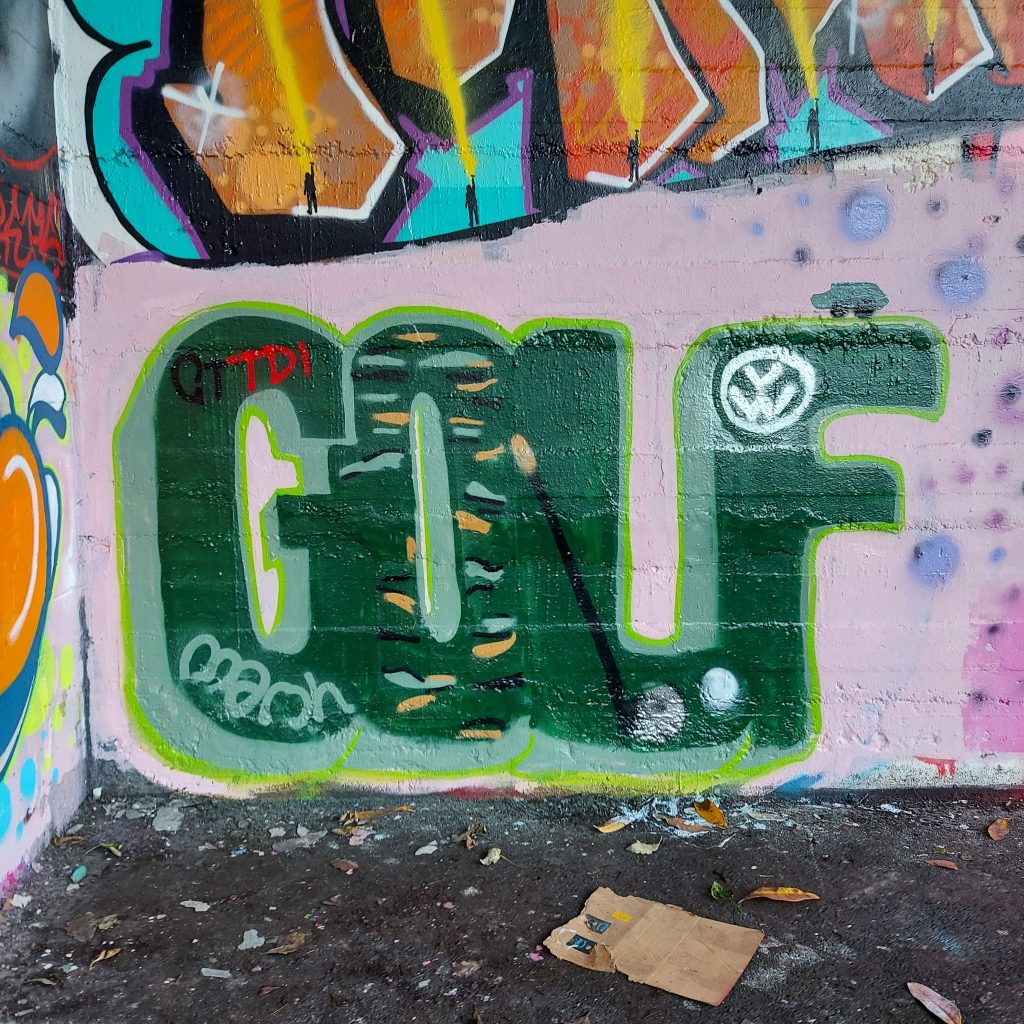
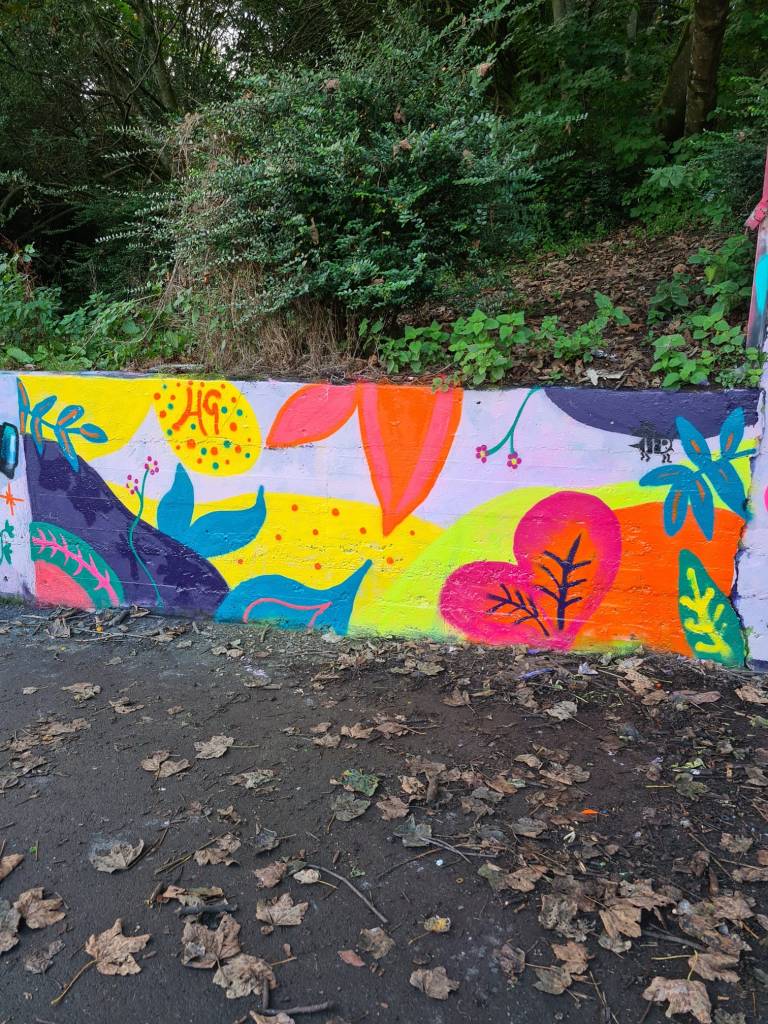
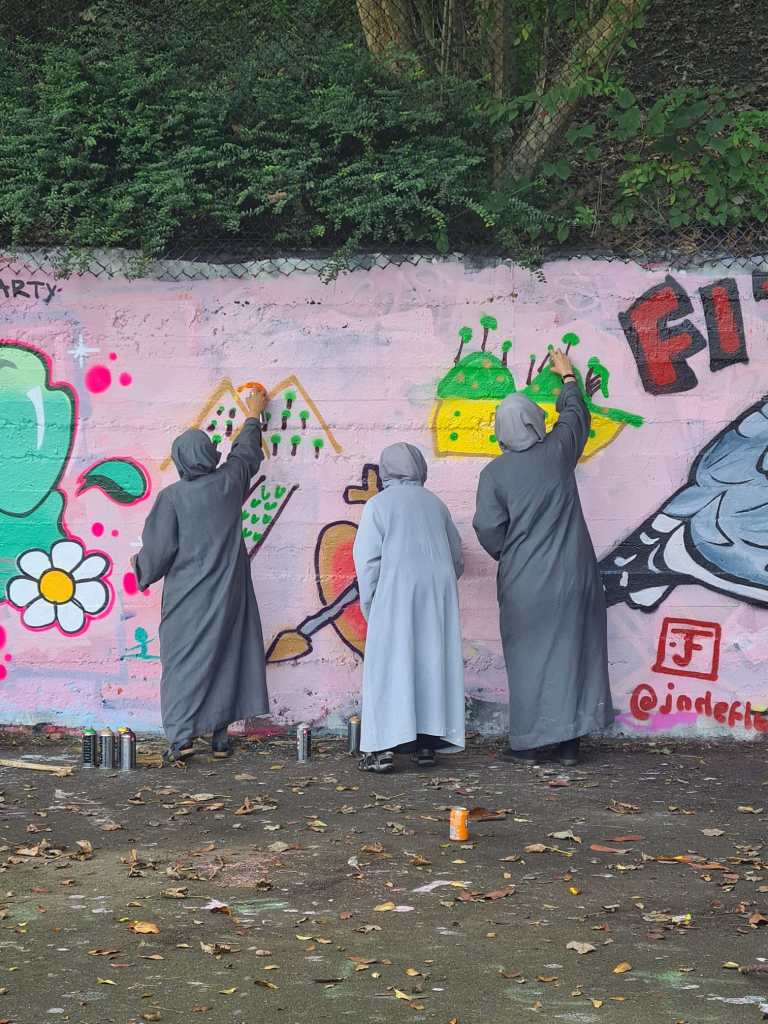
In collaboration with Edinburgh-based skate collective Skateboobs and Aberdeen’s Outlines Collective, WayWORD hosted a skate & graff jam in Sunnybank park
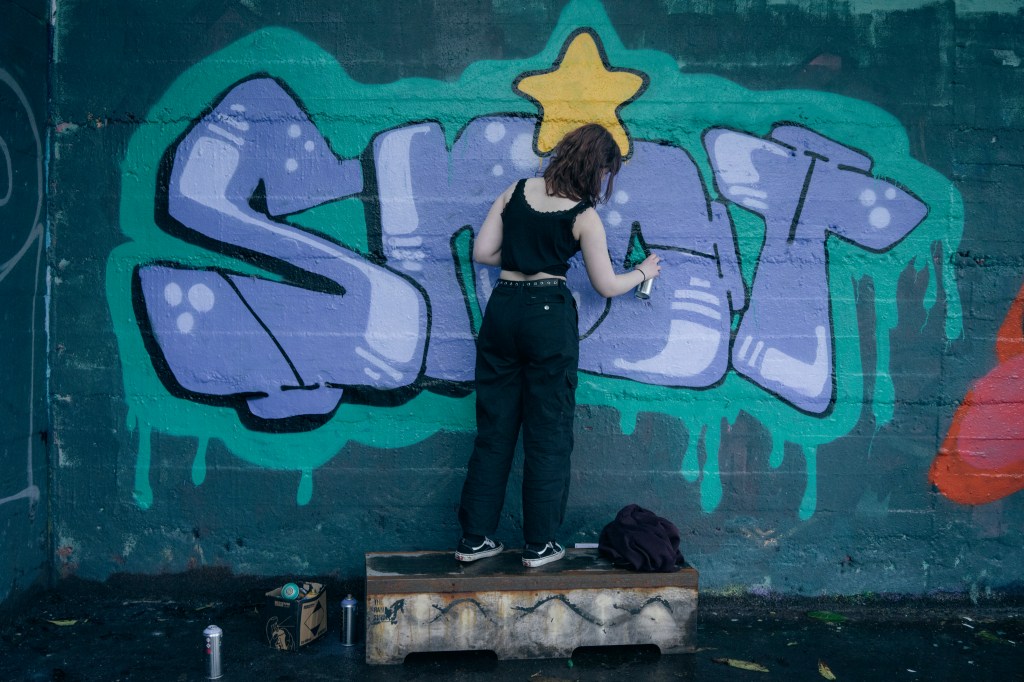
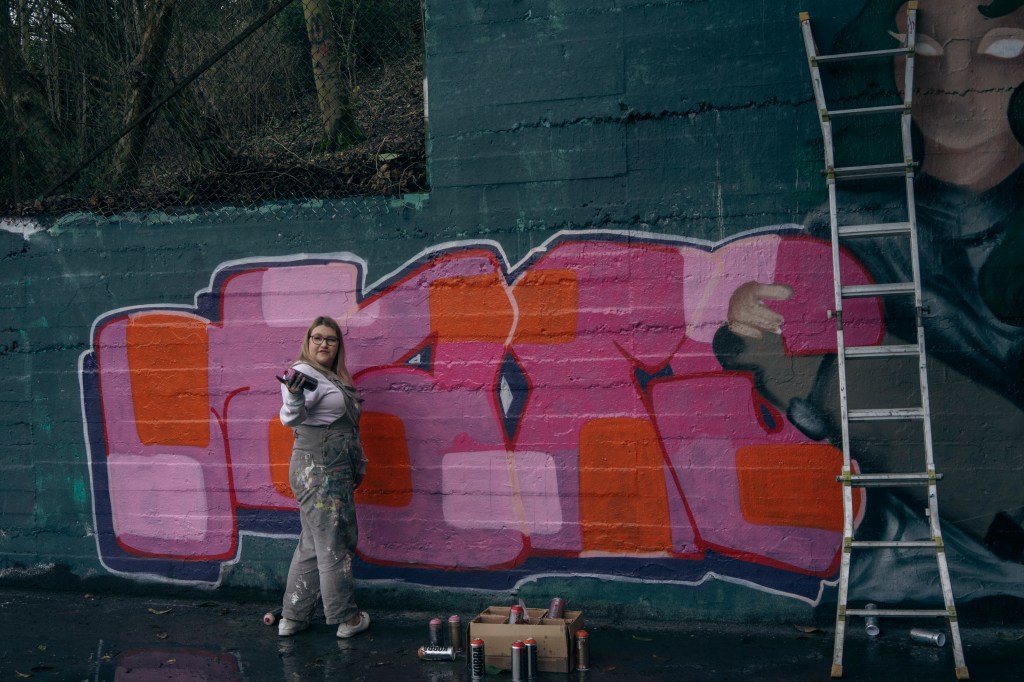
Artists at work
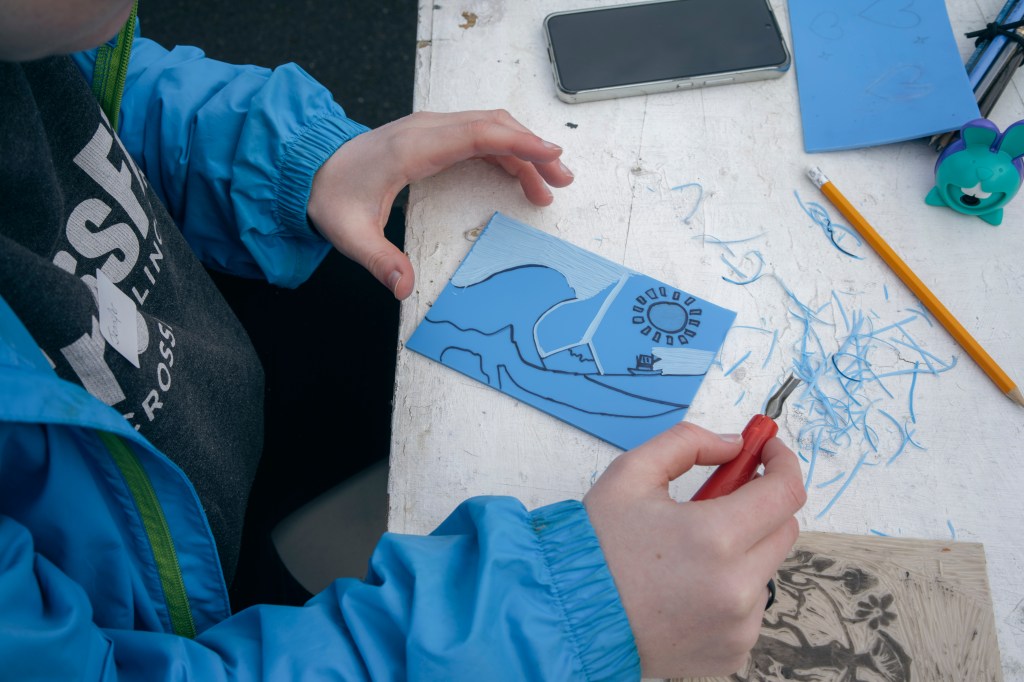
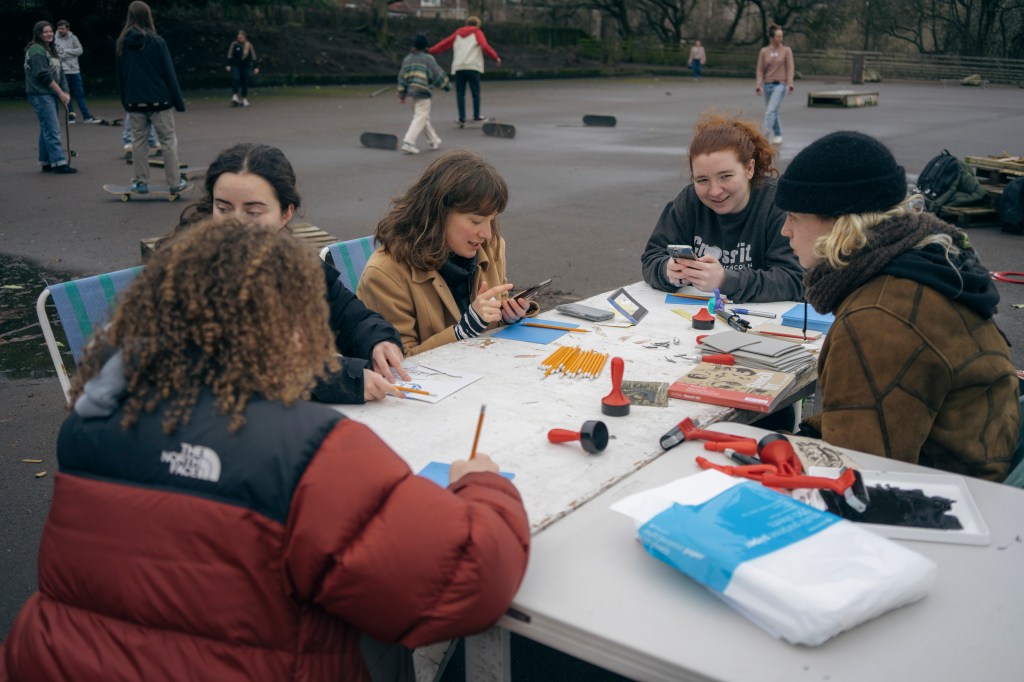
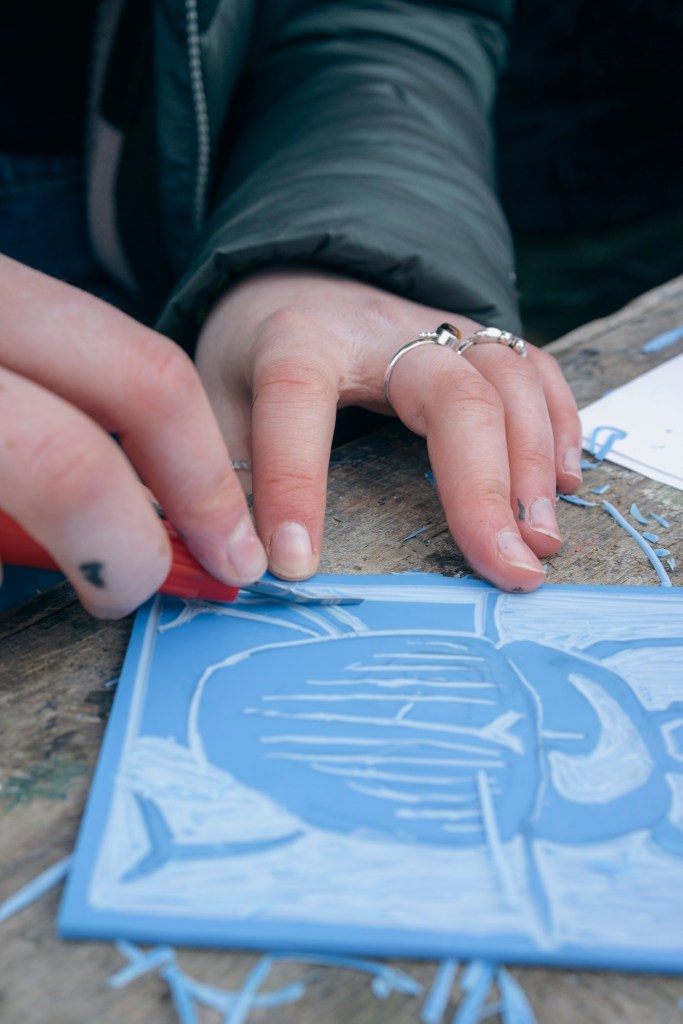
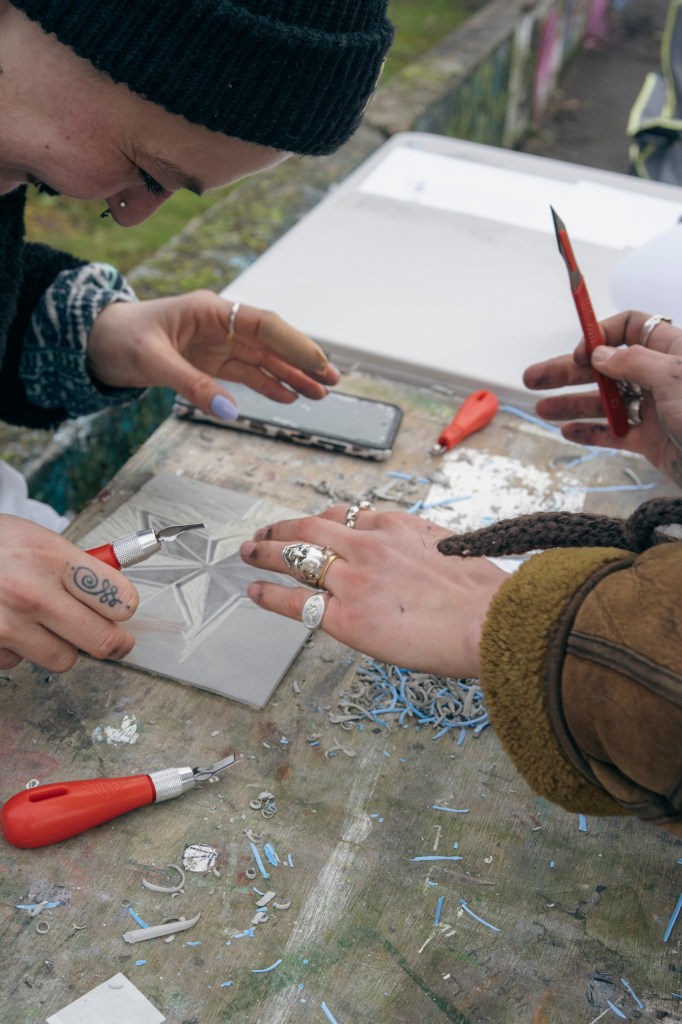
Making custom T-shirts with lino cutting:

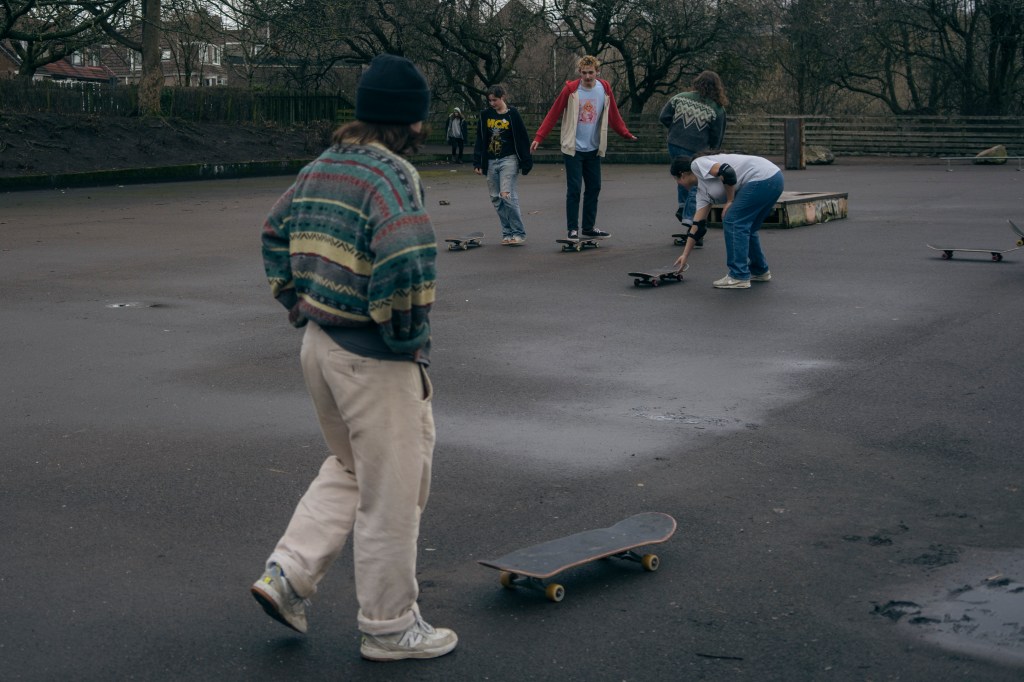
Learning to skate:




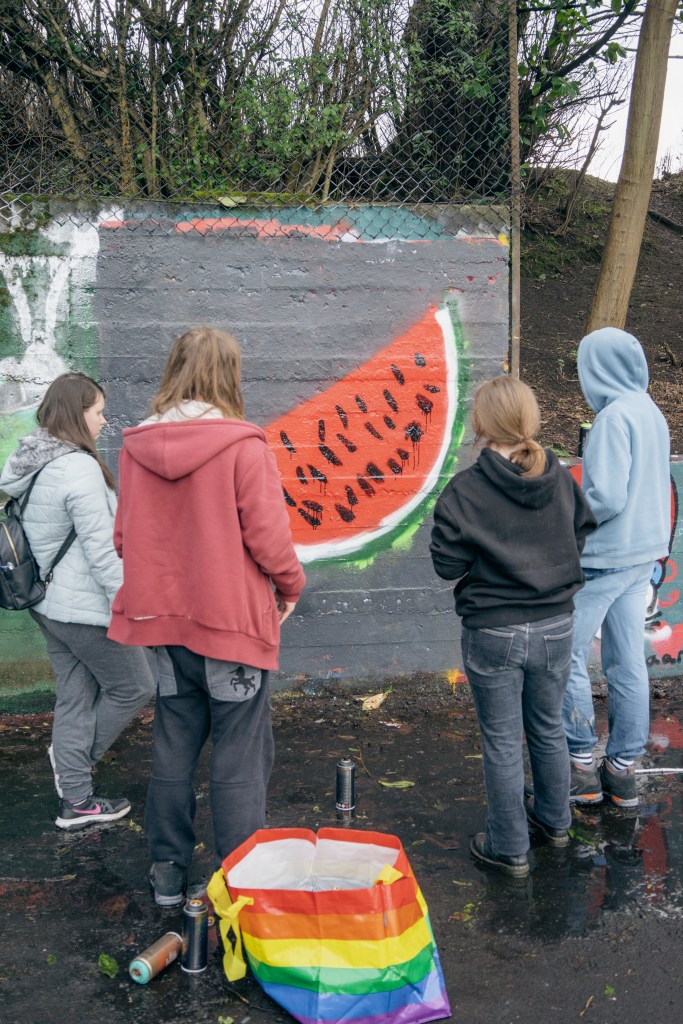

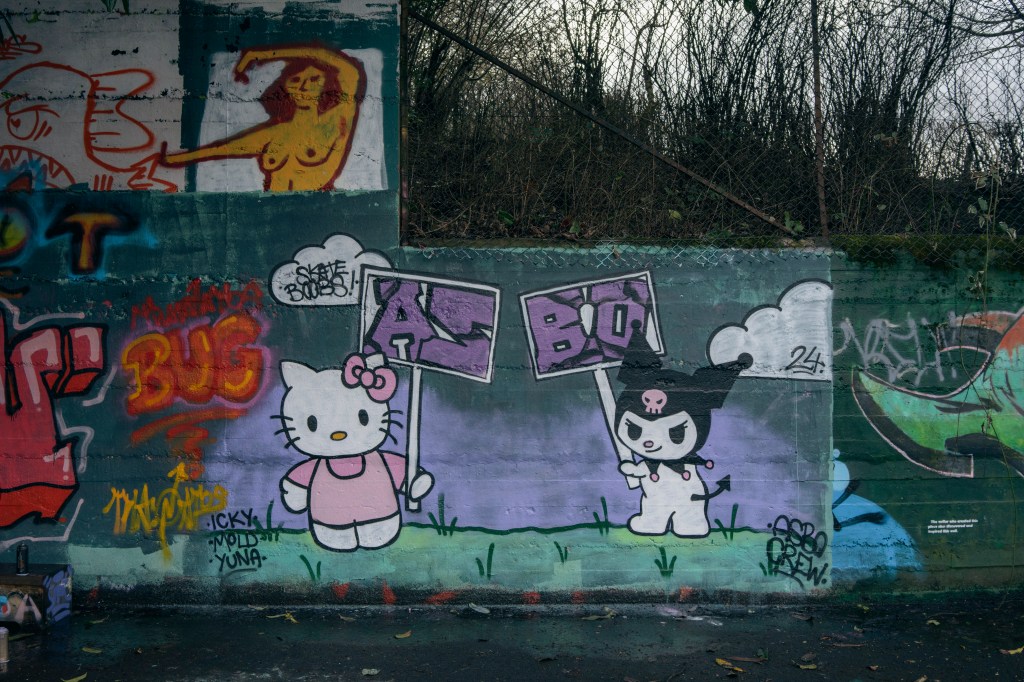


In collaboration with Edinburgh-based skate collective Skateboobs and Aberdeen’s Outlines Collective, WayWORD hosted a skate & graff jam in Sunnybank park
Making custom T-shirts with lino cutting:
Learning to skate:

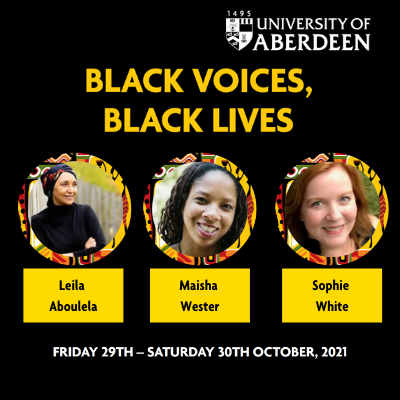
A two-day series of events at the University of Aberdeen exploring the expression and articulation of black experience from different historical, cultural and creative perspectives.
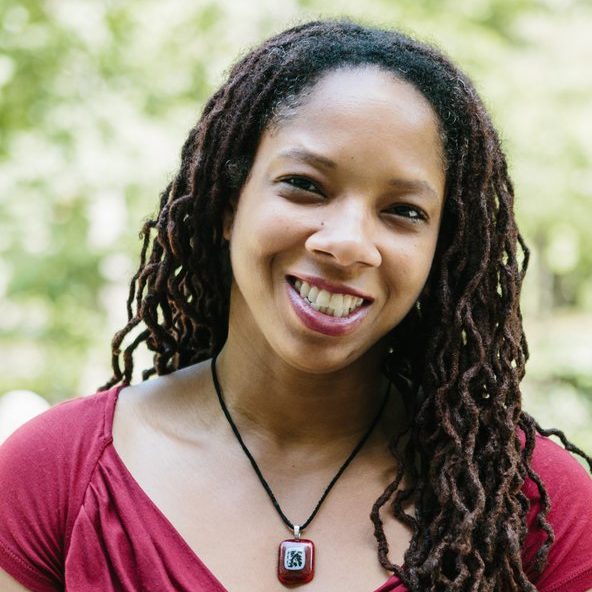
Chaired by Timothy C. Baker
29th Oct. 2021, 3-4pm, Sir Duncan Rice Library
The Gothic and Horror genres have consistently been used as methods to deny Black humanity since the 19th century. At best, Blacks are absented from the representational politics of the two genres; more often than not, the plots of hellish locations and traumatic encounters figures Black people—either literally or figuratively present—as monstrous villains. While Toni Morrison reminds us that such representations are merely reflections of the dreamer’s own repressed desires and disdained behaviours, such representations have had very real, awful ramifications for Black people in their day-to-day existence. Produced as monsters in fiction, Blacks were and are treated like real monsters in the sociopolitics of predominantly white, Western countries like the US and UK.
However, Blacks have not simply accepted this representational fate. Not long after pro-slavery advocates and politicians began welding Gothic tropes to rationalize Black oppression, formerly enslaved narrators appropriated the genre to tell their stories, pointing the monstrosity back at their white enslavers. Although later Black Gothic writers moved away from depicting whiteness as Monstrosity through most of the 20th century, 21st century Black Gothicist have returned to the trope in order to critique systemic whiteness. Authors like P Djelli Clark, Matt Ruff—who participates in the tradition—and filmmakers like Jordan Peel and Uche Aguh investigate, name, and attempt to understand the monster which neglects, violates and throws away African American subjects. As such, this talk will examine several African American Gothic texts and Horror films, and their meditations upon the nature of whiteness and its will to destroy Black subjects. We’ll consider how various fictions seem to confront the monsters behind anti-Blackness only to discover that either the rationale or the true villain ultimately escapes.
Maisha Wester is a visiting lecturer from Indiana University, Bloomington at the University of Sheffield, sponsored by the British Academy’s Global Professorship fellowship. Her research focuses on Gothic literature and Horror Film, investigating racial discourses and manifestations in Gothic Literature and Horror film, as well as the way Black Diasporic people have appropriated the genres to speak back against oppressive socioeconomic rhetoric.

Chaired by Sarah Sharp
29th Oct,. 2021, 4.30 – 5.30pm, Sir Duncan Rice Library
Leila Aboulela, ‘Decolonising the Tragic Victorian Hero: A Fictional Recounting, from a Sudanese Perspective, of Gordon of Khartoum’ (Chaired by Dr. Sarah Sharp)
A bronze statue of General Charles Gordon stands in prominent display in Aberdeen city centre, sculpted by a Scottish artist and donated by the Gordon clan. Gordon was killed in Khartoum in 1885, by Sudanese revolutionaries, at the end of a siege that had lasted several months. The demise of this celebrated figure of Empire played a pivotal role in garnering public support for the conquest of Sudan, which took place thirteen years later, in 1898. Leila’s novel-in-progress, Rammed Earth, Two Rivers, follows the interconnected lives of several characters (an enslaved black woman, a Scottish artist, a Sudanese jurist and a revolutionary – as well as Gordon) during that turbulent period. Instead of the ‘tragic Victorian hero’, the novel presents Gordon as a conflicted individual, suffering from bipolar, a disappointment to the Sudanese who trusted him and a stubborn adversary, who time and again refused safe passage and negotiations. Leila will be talking about her research and motivation for writing the novel as well as reading extracts.
Leila Aboulela is the author of five novels: Bird Summons, Minaret, The Translator, a New York Times 100 Notable Books of the Year, The Kindness of Enemies and Lyrics Alley, Fiction Winner of the Scottish Book Awards. She was the first winner of the Caine Prize for African Writing and her latest story collection, Elsewhere, Home won the Saltire Fiction Book of the Year Award. Leila’s work has been translated into fifteen languages and she was long-listed three times for the Orange Prize. She grew up in Khartoum and moved in her mid-twenties to Aberdeen.
Chaired by Nadia Kiwan
30th Oct. 2021, 2-3pm, online.
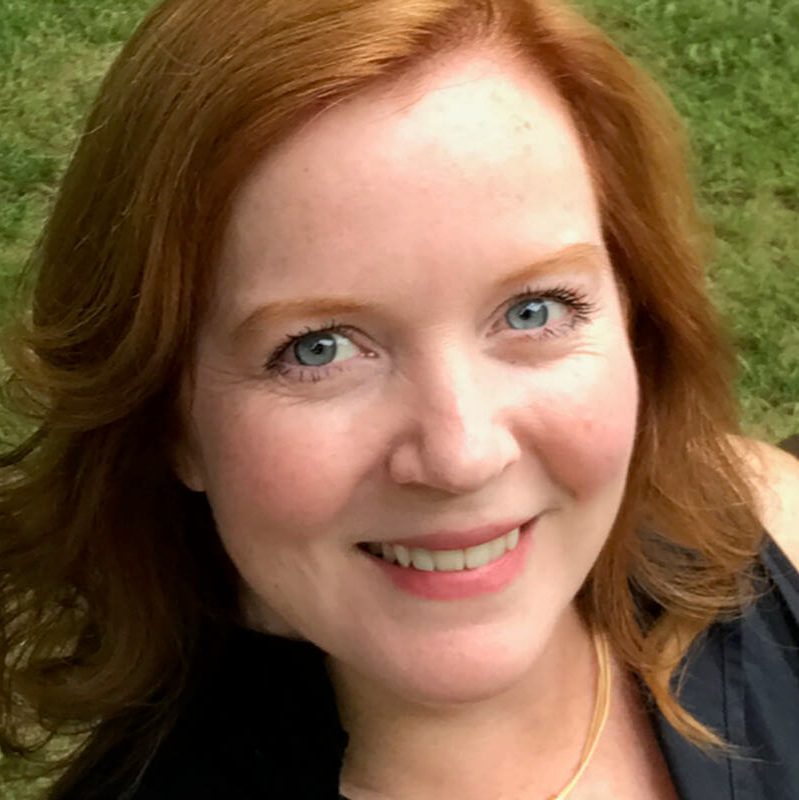
Sophie White talked about her research and her newest book, Voices of the Enslaved: Love, Labor, and Longing in French Louisiana (Omohundro Institute of Early American History and Culture/University of North Carolina Press, 2019), which foregrounds an exceptional set of source material about slavery in French America: court cases in which enslaved individuals testified and in the process produced riveting autobiographical narratives. Voices of the Enslaved has won seven book prizes including the 2020 James A. Rawley Book Prize from the American Historical Association and the Frederick Douglass Book Prize for most outstanding book on slavery published 2019.
Sophie White is Professor of American Studies, Concurrent Professor in the Departments of Africana Studies, History, and Gender Studies, and Fellow of the Nanovic Institute for European Studies and The Klau Center for Civil and Human Rights at the University of Notre Dame. She is an historian of early America with an interdisciplinary focus on cultural encounters between Europeans, Africans and Native Americans, and a commitment to Atlantic and global research perspectives.
chaired by Elizabeth Elliott
30th Oct. 2021
Co-Hosted by The Centre for the Novel and
WORD Centre for Creative Writing
at the University of Aberdeen, UK
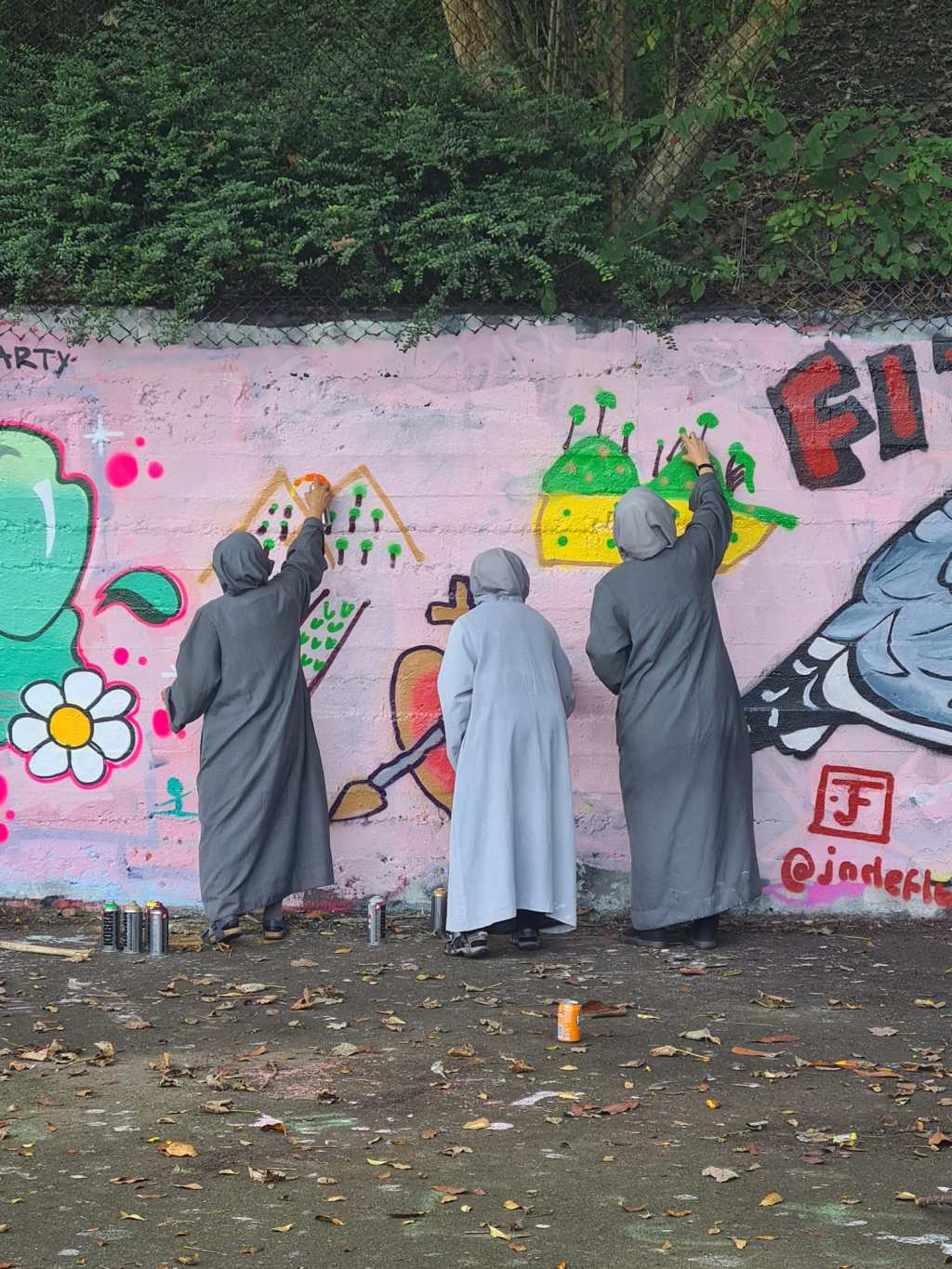
Sunday 19th September – Sunday 26th September
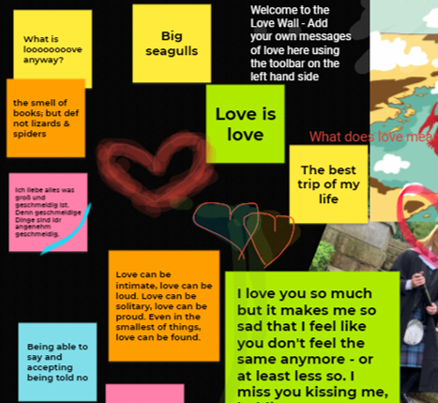
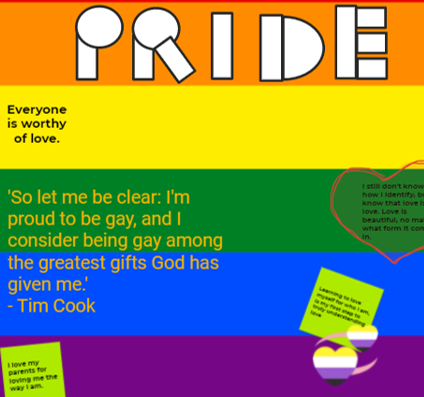
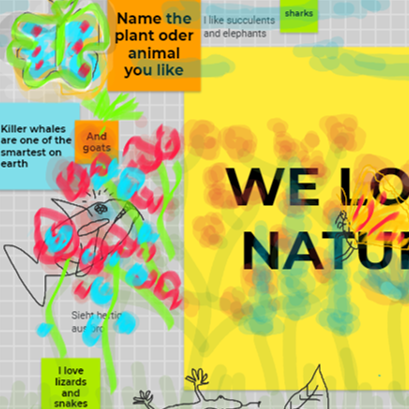
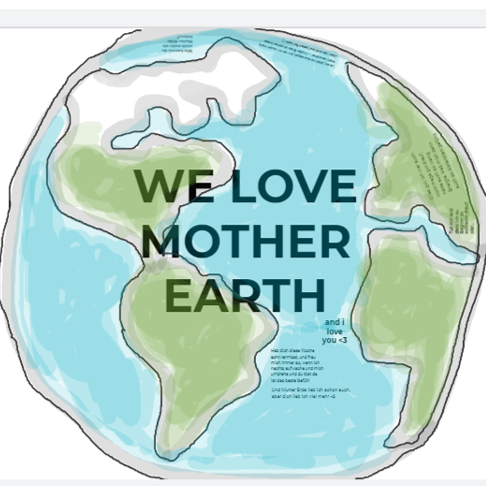
An interactive online and offline art installation, the Love Wall showcases and celebrates the multifaceted forms love can take.
The Love Wall existed both in situ and online. Participants contributed their interpretation of what love means to in any format – poetry, image, art, prose.
The virtual Love Wall was available on Jamboard from 19th 26-th September.
The physical love wall was located at Sunnybank Park from the 19th to the 21st of September, 11am – 5pm.
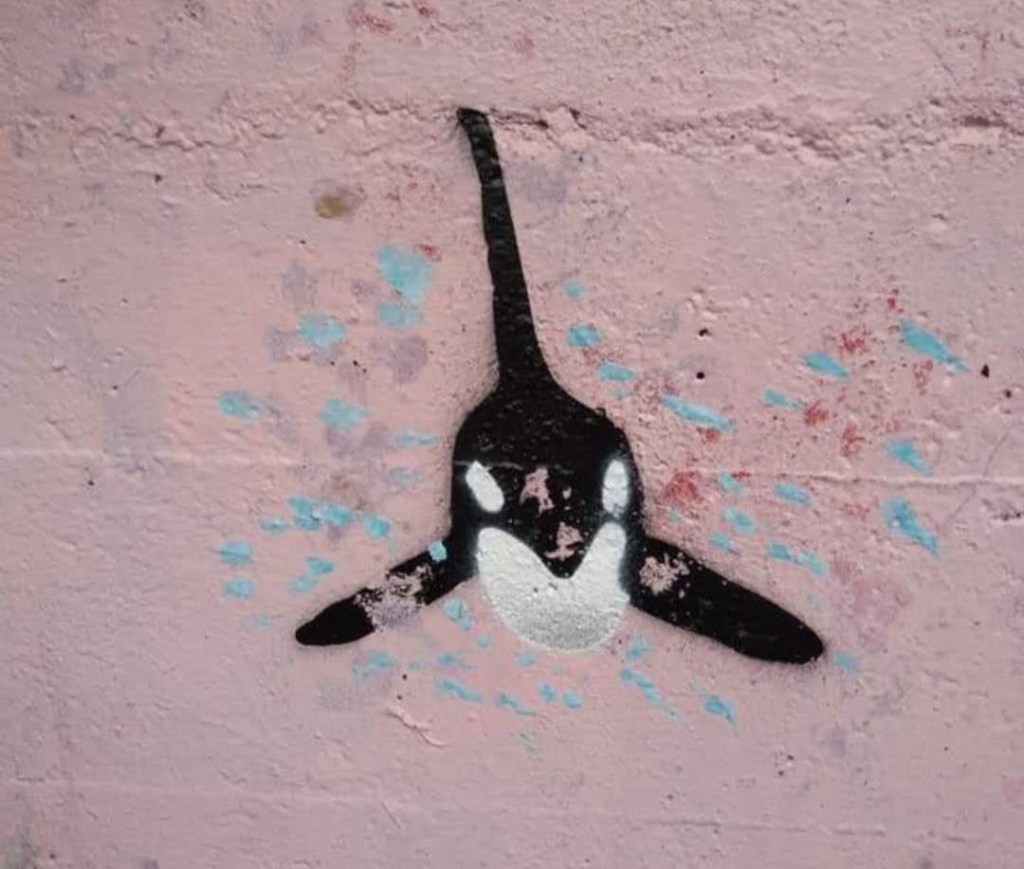
All materials (Spray paint, stencil equipment, paint and paint brushes) were provided but some attendees brought their own paints and stencils! WayWORD team were on hand to help and people made beautiful new pieces of art.
We were also joined by the Gray’s School of Art Mobile Art School on Sunday 19th who brought equipment to make stencils.
Supplied by Mainline

Supported by the University of Aberdeen Art Society

Supported by Friend of Sunnybank Park

Supported by Gray’s School of Art Mobile Art School

Supported by RGU CAP





 WayWORD Festival